Visit to place Jaisalmer Heritage Tour
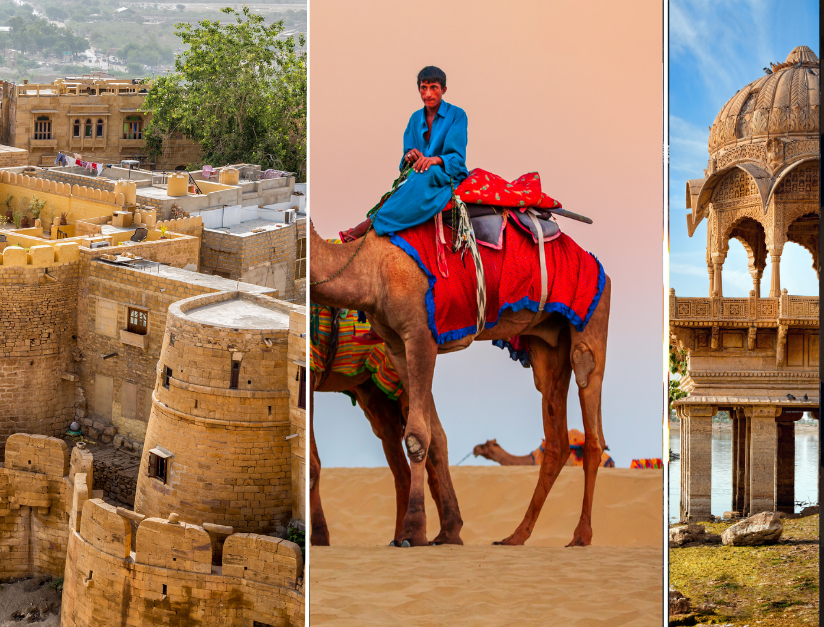
Jaisalmer, often called the “Golden City” of India, is one of Rajasthan’s most famous tourist destinations. Situated in the heart of the Thar Desert, the city is known for its beautiful sandstone architecture, historic forts, intricate havelis, desert landscapes, and rich culture. A heritage tour in Jaisalmer gives you a glimpse of the city’s history, traditions, and lifestyle, while offering a unique experience of the desert. This guide will help you explore the main heritage attractions, plan your itinerary, and enjoy the culture of Jaisalmer.
About Jaisalmer
Jaisalmer was founded in 1156 AD by Raja Rawal Jaisal, after whom the city is named. It was once an important trading center on the caravan routes between India and Central Asia. Because of its strategic location, the city prospered, and merchants built magnificent havelis that still stand today. Jaisalmer is also famous for its fort, which is a living fort, meaning people still live inside it. The city’s golden sandstone buildings reflect the sunlight, giving it a beautiful golden glow, especially at sunrise and sunset.
The best time to visit Jaisalmer is from October to March, when the weather is pleasant and suitable for sightseeing and desert activities. Summers can be extremely hot, and monsoons bring limited rain, but the desert remains mostly dry.
Key Heritage Sites
1. Jaisalmer Fort (Sonar Qila)
Jaisalmer Fort, also called Sonar Qila or Golden Fort, is the most famous landmark in the city. It sits on Trikuta Hill and dominates the city skyline. The fort is made entirely of golden sandstone, which gives it its warm color.
Inside the fort, you will find narrow streets, residential buildings, shops, temples, and small museums. The fort has several gates, the main ones being Suraj Pol (Sun Gate), Hawa Pol (Wind Gate), and Ganesh Pol. It is still a living fort, with people residing inside it, making it a unique heritage site where history and modern life blend together.
Visitors can explore Raj Mahal (Royal Palace), Laxminath Temple, and the small fort museum, which showcases artifacts from the city’s history. Climbing to the top of the fort gives a panoramic view of the city and surrounding desert.
Tips: Arrive early in the morning to avoid crowds and the heat. Wear comfortable shoes as the fort streets are narrow and uneven.
2. Havelis
Jaisalmer is famous for its havelis, which are large traditional houses built by wealthy merchants during the 18th and 19th centuries. These buildings are known for their intricate carvings and architectural beauty.
-
Patwon Ki Haveli: This is one of the largest havelis in Jaisalmer and is actually a group of five havelis built by a wealthy trader. The walls and balconies have beautiful carvings of flowers, birds, and geometric designs.
-
Salim Singh Ki Haveli: Known for its unique roof shaped like a peacock, this haveli was built by Salim Singh, a nobleman in the city. The windows are beautifully carved, and it is one of the most photographed buildings in Jaisalmer.
-
Nathmal Ki Haveli: This haveli is famous for its fusion of Rajput and Mughal architectural styles. It has a beautiful courtyard and detailed carvings.
These havelis provide a glimpse into the lifestyle of wealthy merchants who once lived in Jaisalmer. Guided tours are available to explain the history and architecture of these houses.
Tips: Hire a local guide to understand the history and significance of the carvings. Some havelis charge a small entry fee.
3. Gadisar Lake
Gadisar Lake is an artificial lake built in the 14th century by Maharawal Gadsi Singh. It was once the main source of water for Jaisalmer. The lake is surrounded by temples, chhatris, and small ghats, making it a peaceful spot for sightseeing.
The lake is especially beautiful during sunrise and sunset, reflecting the golden color of the city. Boating is available, and you can enjoy the calm surroundings while observing local birds and temples.
Tips: Visit in the early morning or late afternoon for pleasant weather. Don’t forget water and sun protection, as it can get hot during the day.
4. Desert and Sand Dunes
No heritage tour of Jaisalmer is complete without a visit to the Thar Desert. The most popular desert areas near the city are Sam Sand Dunes, Khuri Dunes, and Pokhran. Here, you can experience camel rides, jeep safaris, and traditional Rajasthani culture.
Desert camps often include folk music and dance, cultural performances, and traditional Rajasthani food. Spending a night in the desert under the stars is a unique experience that combines heritage with nature.
Tips: Book desert tours in advance, especially during peak season. Carry light, breathable clothing, sunscreen, and a hat.
5. Temples
Jaisalmer has several ancient temples, mostly dedicated to Jainism and Hinduism.
-
Parshvanath Jain Temple: Located inside the Jaisalmer Fort, it is one of the oldest temples in the city, built in the 12th century. The temple has detailed carvings and sculptures of Jain deities.
-
Laxminath Temple: Also inside the fort, this temple is dedicated to Lord Vishnu and Goddess Lakshmi.
-
Tanot Temple: Situated on the outskirts, this temple has historical significance and is linked to the India-Pakistan wars.
Visiting these temples gives a glimpse of the religious heritage and architectural styles of the region.
Heritage Walks
One of the best ways to explore Jaisalmer is on foot. The old city has narrow lanes, ancient homes, small temples, and local markets. Walking through the streets allows you to observe daily life, shop for handicrafts, and interact with local people.
Local guides often organize heritage walks, explaining the history, legends, and architecture of the city. These walks usually last 2–3 hours and cover forts, havelis, temples, and markets.
Tips: Wear comfortable shoes and carry water. Avoid the hottest hours in summer.
Shopping and Local Handicrafts
Jaisalmer is famous for its Rajasthani handicrafts, which include:
-
Lacework and embroidery: Colorful textiles, dresses, and dupattas.
-
Wood carvings: Small decorative boxes and furniture.
-
Jewelry: Silver jewelry with intricate designs.
-
Camel leather products: Bags, shoes, and belts.
Markets near the fort and old city are perfect for buying souvenirs. Bargaining is common, so be prepared to negotiate prices.
Food and Cuisine
Rajasthani cuisine is rich and flavorful. Some must-try dishes in Jaisalmer include:
-
Dal Baati Churma: A traditional Rajasthani dish with lentils, baked wheat balls, and sweet crushed wheat.
-
Gatte Ki Sabzi: Gram flour dumplings cooked in a spicy yogurt curry.
-
Ker Sangri: A desert vegetable dish made from local beans and berries.
-
Rajasthani sweets: Ghevar, Malpua, and Mawa Kachori.
Many rooftop restaurants inside the fort offer a combination of local cuisine and a view of the golden city.
Suggested Itinerary
Day 1 – City Heritage:
-
Morning: Arrive in Jaisalmer, check-in at hotel. Visit Jaisalmer Fort.
-
Afternoon: Explore Patwon Ki Haveli, Salim Singh Ki Haveli, Nathmal Ki Haveli. Lunch in the old city.
-
Evening: Visit Gadisar Lake, enjoy a heritage walk in old city streets. Dinner at a rooftop restaurant.
Day 2 – Desert Experience:
-
Morning: Visit local markets for shopping. Explore smaller temples.
-
Afternoon: Travel to Sam Sand Dunes or Khuri Dunes. Enjoy a camel safari or jeep safari.
-
Evening: Experience folk dance, music, and Rajasthani dinner in a desert camp. Overnight stay in the desert.
Day 3 – Additional Heritage Sites:
-
Morning: Visit Tanot Temple or other nearby desert heritage sites.
-
Afternoon: Return to city. Relax or explore more havelis and shops. Departure.
Travel Tips
-
Clothing: Wear light cotton clothing in summer and warm clothes in winter. Modest attire is recommended when visiting temples.
-
Footwear: Comfortable shoes for walking on sand and uneven streets.
-
Sun Protection: Hat, sunglasses, and sunscreen are essential.
-
Water: Carry water while exploring desert areas and city streets.
-
Cash: Small shops and desert camps may not accept cards.
-
Guides: Hiring local guides enhances your experience by explaining history and architecture.
-
Accommodation: Staying near the fort or old city makes sightseeing easier.
-
Photography: Most heritage sites allow photography, but some temples or interiors may have restrictions.
-
Best Season: October to March is ideal for sightseeing and desert activities.


Comments
Post a Comment